
Loading...
Serving Makakilo, HI and surrounding areas. (808) 481-0860
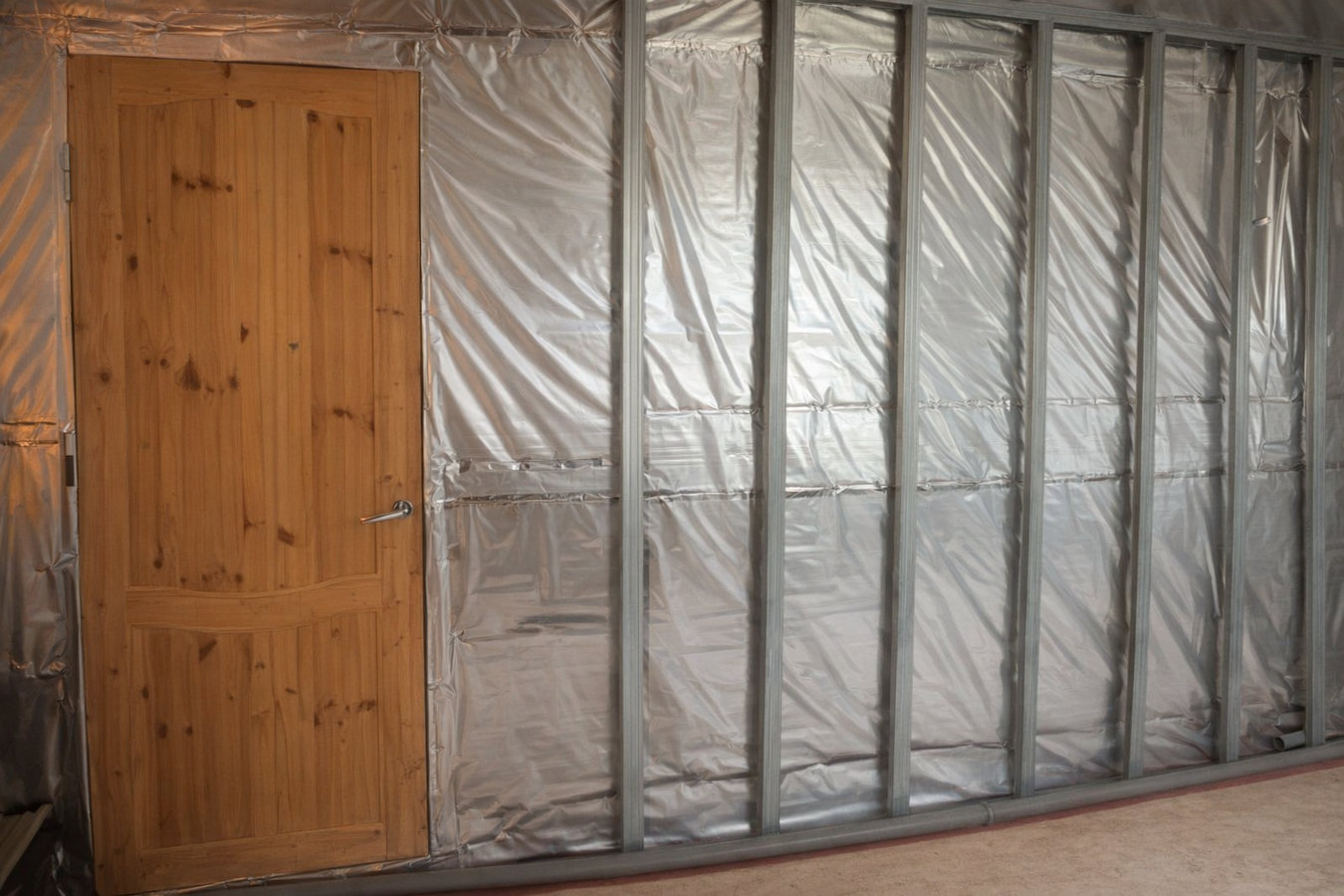
Ground moisture in Makakilo works against your home every day. Proper vapor barrier installation blocks it at the source - protecting floors, framing, and the air quality inside your home.
Vapor barrier installation in Makakilo covers crawl space floors, under-slab interfaces, or wall cavities with plastic sheeting sealed at every seam and anchored at the edges - blocking ground moisture from entering your home's structure, with most jobs completed in one day.
In Makakilo, the combination of volcanic soil and year-round humidity means moisture is always pushing against your home's structure from below. Most homeowners do not think about this until they notice a musty smell, a floor tile that keeps popping loose, or an electricity bill that climbs for no clear reason. A vapor barrier is the direct solution - it physically blocks the path moisture uses to enter. Whether the problem is in a crawl space, under a concrete slab, or inside a wall cavity, the approach is the same: cover every exposed surface, seal every seam, and anchor every edge.
For homes with a crawl space, vapor barrier installation pairs naturally with crawl space vapor barrier work - both services address the same moisture source and are often completed in a single visit.
A damp, earthy odor that seems to come from the floors or lower walls is often a sign that moisture is moving up from the ground into your living space. In Makakilo's year-round humid climate, this smell can develop so gradually that homeowners stop noticing it. If guests mention a smell before you do, take that as a prompt to have the moisture pathway checked.
Many slab-on-grade homes in Makakilo were built in the 1970s through 1990s without adequate moisture protection under the concrete. Over time, ground moisture works up through the slab and causes flooring adhesives to fail, tiles to crack or shift, and wood floors to warp. If you are replacing flooring in the same spot for the second time, moisture from below is likely the real problem - not the flooring material.
Mold appears first at the lowest points of a room - along baseboards, in floor-level corners, or on the bottom few inches of drywall. In Hawaii's warm, humid environment, mold can establish quickly once moisture has a pathway into the structure. If you are cleaning the same spots repeatedly and the mold keeps coming back, the source is almost certainly moisture from below or within the wall cavity.
If any accessible under-floor space or utility area feels wet, smells musty, or shows water stains, that moisture is actively working against your home's structure. Even in Makakilo's drier leeward microclimate, ground moisture and periodic heavy rain events can saturate unprotected soil. Bare, damp ground is a clear sign a barrier is needed - and a quick look with a flashlight is all it takes to spot it.
We install vapor barriers in three main locations: crawl spaces, under-slab interfaces, and wall cavities. For crawl space jobs, we roll out heavy-grade polyethylene sheeting across the entire floor, overlap and seal every seam with heavy-duty tape, and run the material up the foundation walls so no bare soil is exposed. Material thickness is not optional - in Hawaii's humid environment, thinner sheeting degrades faster and defeats the purpose of the installation. We specify heavy-grade material on every job and use it.
For slab-on-grade homes - which are common throughout Makakilo - we assess whether moisture is coming up through the concrete and, where it is, address the slab-to-ground interface during a renovation, flooring replacement, or targeted repair. For homes that also need air sealing at the upper end of the house, we often combine vapor barrier work with attic air sealing to create a complete moisture and air management approach from the ground up. Every project starts with an honest on-site assessment - we tell you what we find before any work begins.
For homes with an accessible crawl space - full floor coverage with sealed seams, wall coverage, and heavy-grade material rated for long-term performance in Hawaii's climate.
For slab-on-grade homes undergoing renovation or flooring replacement where ground moisture is working up through the concrete foundation.
For renovation or new construction projects where moisture is entering through exterior walls, particularly on wind-exposed elevations in Makakilo.
For homes where old, torn, or degraded barrier material needs to come out before new installation can perform correctly.
Most of Makakilo was developed as a planned residential community between the 1970s and 1990s, and the majority of homes sit on concrete slab foundations rather than raised crawl spaces. Slab-on-grade construction from that era was not always built with adequate moisture barriers underneath the concrete - and even where a barrier existed, decades of ground pressure and humidity have often degraded it. Makakilo's position on the leeward slopes of the Waianae Range makes it drier than windward Oahu, but relative humidity still runs high year-round, and volcanic soil holds moisture at depth even during dry stretches. The moisture that causes damage here does not depend on rainfall - it comes from the ground, steadily, every day of the year.
Hawaii consistently has some of the highest electricity rates in the country, and moisture that gets into insulation - whether in walls or under floors - reduces how well that insulation holds cool air in. Your AC works harder and you pay for it every month. We serve homeowners across the west Oahu area, including Ewa Gentry and Kapolei. The EPA's moisture control guidance is clear that unmanaged ground moisture is one of the leading contributors to poor indoor air quality - and in Makakilo's climate, that risk is present year-round, not just seasonally.
We ask about your home's foundation type, what symptoms you have noticed, and how accessible the affected area is. You do not need to know all the answers - just describe what you have seen or smelled, and we will take it from there.
A contractor comes to your home and inspects the area where moisture is entering - whether that is a crawl space, under a slab, or inside a wall cavity. We check the size of the space, condition of any existing material, and whether debris or old barrier needs to come out first. This is also your chance to ask questions.
After the assessment, you receive a written estimate that breaks down labor and materials separately and specifies the thickness of material being used. A vague estimate with no material details is worth asking about before you agree to anything.
The crew lays barrier material across the entire surface, overlaps seams by several inches, seals them with heavy-duty tape, and anchors the edges to walls or the foundation. Before leaving, we walk you through the finished work - you should be able to see full coverage, sealed seams, and no exposed ground anywhere.
We assess your home's specific moisture situation and give you a written quote you can compare. No obligation to move forward.
(808) 481-0860Every job starts with a free written estimate that spells out the scope and the price. You know exactly what the work includes and what it costs before you sign anything. A contractor who puts the scope in writing gives you a clear reference if any question comes up later.
The majority of homes we work on in Makakilo were built in the 1970s through 1990s on concrete slab foundations. We understand the specific moisture patterns that come with that construction era and this soil type - we do not apply mainland assumptions to Hawaii conditions.
A barrier that tears in year two costs you twice. We use heavy-grade polyethylene on every job, seal every seam with proper tape, and anchor every edge - then walk you through the finished installation before we leave so you can see the coverage yourself.
We tell you what we find during the inspection - including when a problem is smaller than you feared, or when something needs to be addressed before the barrier goes in. Every project gets a written estimate with materials and labor broken out. No surprises on the final invoice.
Vapor barrier work happens out of sight, which means the quality of the installation is mostly invisible to you after the job is done. That is exactly why we make the walkthrough a standard part of every job - so you are not just taking our word for it.
Pair vapor barrier work below with attic air sealing above for a complete approach to moisture and air management throughout your Makakilo home.
Learn MoreFocused crawl space vapor barrier installation for homes where ground moisture is rising through the crawl space floor and into the structure.
Learn MoreMakakilo homeowners book quickly when moisture problems surface. Contact us now for a free written estimate and a same-week inspection.