
Loading...
Serving Makakilo, HI and surrounding areas. (808) 481-0860
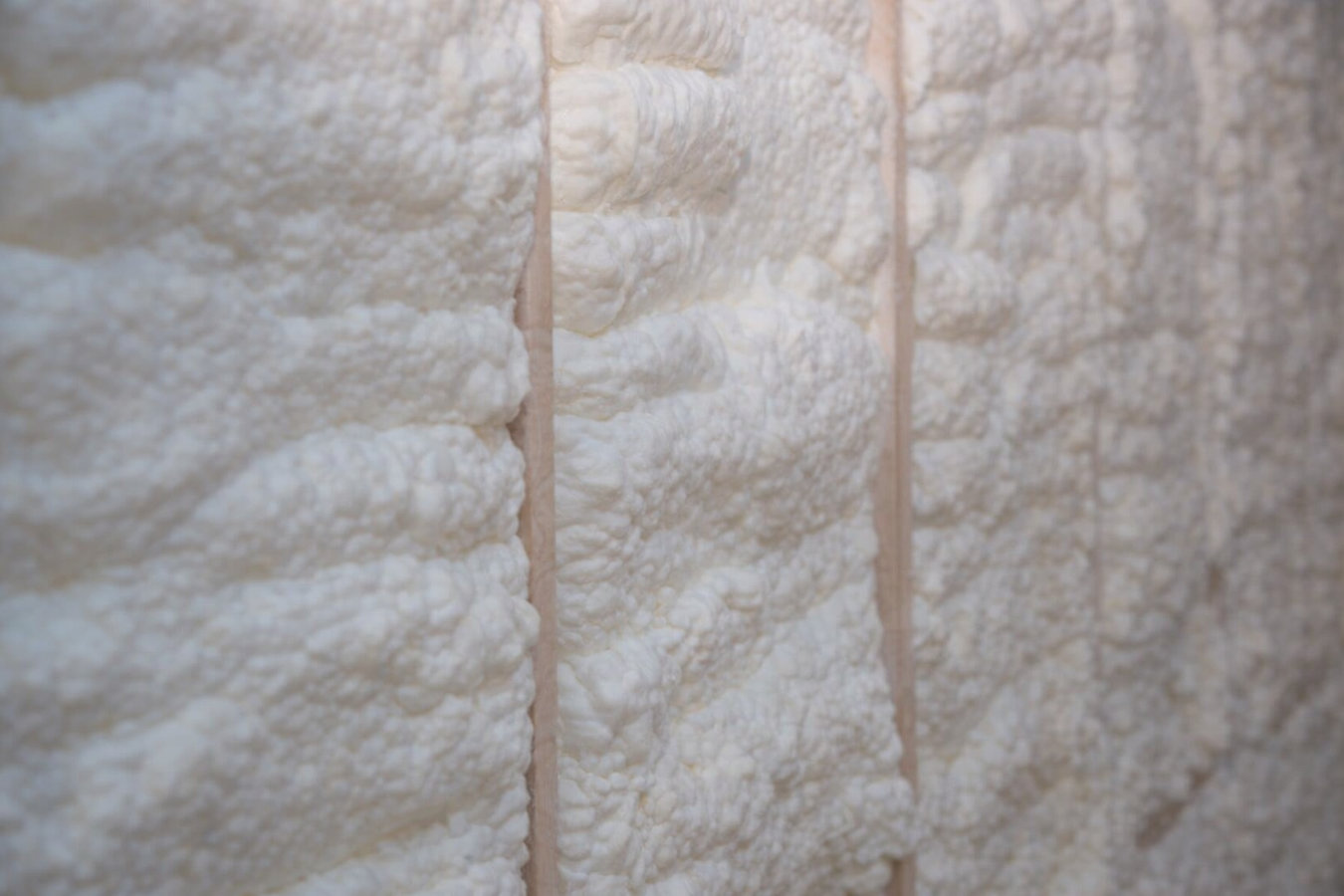
Hawaii electricity costs are among the highest in the country. Open-cell foam seals the gaps that let conditioned air escape and warm, humid air sneak back in - so your AC finally keeps up.
Open-cell foam insulation in Makakilo is sprayed as a liquid, expands to fill every gap and cavity, and forms a continuous air barrier - most jobs cover an average home in one to two days.
Unlike traditional fiberglass batts, open-cell foam seals air leaks at the same time it insulates. In Makakilo, where strong trade winds push warm, humid air against your home all day, that air barrier is often more valuable than the insulating material itself. If your home has rooms that never quite cool down, or a Hawaiian Electric bill that keeps climbing, inadequate insulation is usually the reason - and open-cell foam addresses it at the source.
Many Makakilo homeowners pair open-cell foam with spray foam insulation in areas that need both high insulation value and moisture resistance - your contractor can help you decide which material belongs where.
If your air conditioner runs almost constantly but your home never reaches a comfortable temperature, cooled air is likely escaping through gaps in your walls or attic while warm outdoor air rushes in to replace it. In Makakilo, trade winds make this problem significantly worse by pushing warm air against your home's exterior all day. Open-cell foam closes those entry points so your AC can actually keep pace.
Hawaii already has some of the highest electricity rates in the country, so a home that leaks conditioned air hits your wallet harder here than almost anywhere else. If your bill has crept up year over year without a clear reason, aging or insufficient insulation is one of the first things worth checking. A site assessment can tell you quickly whether your insulation is doing its job.
When a bedroom or the room directly under the roof feels significantly warmer than the rest of the house, that area likely has little or no effective insulation between it and the hot roof above. In Makakilo's sun-exposed hillside homes, attic temperatures can reach extreme levels on sunny afternoons, and that heat radiates straight down if nothing stops it. This is the most common complaint homeowners here describe before getting their insulation upgraded.
Hold your hand near an electrical outlet on an exterior wall or run your fingers along a window frame on a windy day - if you feel air moving, your home's envelope has gaps that insulation and air sealing can fix. Makakilo's consistent trade winds make this test especially telling because the wind pressure is almost always there to push air through any opening it finds. Open-cell foam fills those cavities and stops the infiltration at the source.
We install open-cell foam in attics, wall cavities, and crawl spaces - wherever air leaks are costing you money. Open-cell foam is softer and more vapor-permeable than closed-cell foam insulation, which makes it well-suited for interior walls and certain attic applications in Hawaii's warm, humid environment. Your contractor will assess each area of your home and recommend the right material and thickness for that specific location.
For Makakilo homeowners who also need broader coverage across the whole house, we often recommend pairing open-cell foam with our full commercial insulation assessment process to make sure no area is missed. Every job comes with a written estimate, a walkthrough of the finished work, and clear guidance on when your family can return home after curing.
Best for homeowners who want to stop heat from radiating through the ceiling and reduce cooling loads without enclosing the attic completely.
Ideal for retrofit projects where existing walls need to be brought up to modern performance standards without a full renovation.
Suited for homes where air infiltration and moisture from below the floor are contributing to humidity and uneven temperatures inside.
A comprehensive option for homeowners ready to address all major air leak points in one project for maximum comfort and energy savings.
Makakilo sits on the slopes of the Waianae Range at elevations from roughly 600 to over 1,000 feet - higher than most Oahu neighborhoods. That elevation puts homes directly in the path of strong, consistent trade winds that push warm, humid air into every gap in your home's envelope. Open-cell foam is one of the most effective tools for stopping that infiltration because it fills cavities completely and creates a continuous air barrier rather than a patchwork of separate materials. Many Makakilo homeowners also deal with the effects of vog - volcanic haze from the Big Island - and a tighter home means less of that outdoor air makes it inside, which matters for families with respiratory sensitivities.
Most homes in Makakilo were built between the 1970s and 1990s, and the insulation installed in that era was designed to meet the minimum standard of the time - not today's energy demands or electricity costs. Upgrading to open-cell foam in an older Makakilo home makes a dramatic difference in both comfort and your Hawaiian Electric bill. We serve homeowners throughout the area, including Kapolei and Ewa Beach, so we understand the specific conditions - sun exposure, wind, humidity - that homes across west Oahu face every day.
We ask a few basic questions - home size, areas to insulate, any previous work done - and can give you a rough ballpark right away. We reply within one business day and schedule your site visit quickly.
A contractor walks your attic, crawl space, or walls - wherever you are having work done. They check existing insulation, moisture, and ventilation and explain what they find in plain terms. This visit takes about thirty to sixty minutes.
You receive a written estimate with the full scope and cost. Your contractor also confirms whether a City and County of Honolulu permit is required and handles pulling it - no permit shortcuts, ever.
The crew arrives, sprays the foam, and trims and cleans up before leaving. Before they go, they walk you through the finished work. Plan for your family and pets to be out during spraying and curing - typically a few hours to a full day.
No obligation. No pressure. We reply within one business day and come to you.
(808) 481-0860We understand how Hawaii's humidity, trade winds, and vog interact with your home's building envelope - and we spec jobs accordingly, not using mainland playbooks that do not apply here. That means the right material in the right location, every time.
Every job that requires a City and County of Honolulu permit gets one - pulled by us, handled by us. That documentation protects your home's legal record and avoids headaches if you ever sell or refinance, and it is non-negotiable on our end.
We work on homes throughout Makakilo, Kapolei, Ewa Beach, and the surrounding west side - so we know the hillside lots, the older housing stock, and the specific wind and sun exposure that homes here face. Local knowledge means fewer surprises on the job.
We follow installation guidelines from the Spray Polyurethane Foam Alliance, the recognized trade body for spray foam contractors. That means proper thickness, full cavity coverage, and correct curing protocols - the things that determine whether foam actually performs over the long term. Learn more at{' '}sprayfoam.org.
Taken together, these proof points mean you get work that is done right the first time, documented properly, and backed by people who know what insulation has to do in Hawaii's specific climate. That combination is rare, and it is why homeowners in Makakilo and across west Oahu call us.
For guidance on spray foam safety during and after installation, see the U.S. EPA spray polyurethane foam page. Hawaii permit requirements are managed by the City and County of Honolulu Department of Planning and Permitting.
Full-building insulation solutions for commercial properties in Makakilo and across west Oahu.
Learn MoreHigh-performance spray foam for attics, walls, and crawl spaces - covering both open-cell and closed-cell applications.
Learn MoreCooling season is coming, and spots fill fast - call now to lock in your installation date.