
Loading...
Serving Makakilo, HI and surrounding areas. (808) 481-0860
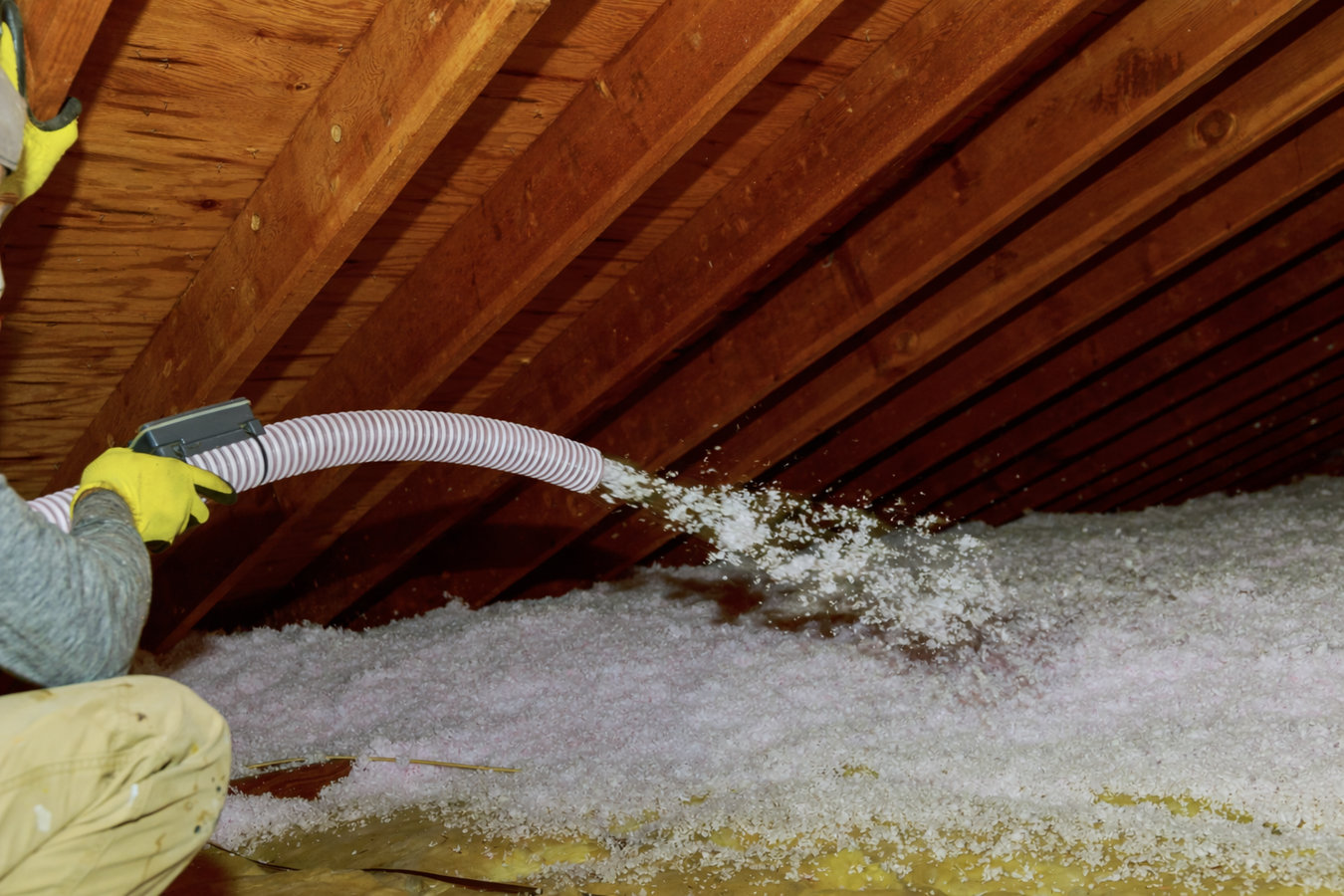
Makakilo homes lose cool air through thin or missing attic insulation every day. Blown-in insulation fills every gap and helps your AC work a lot less.
Blown-in insulation in Makakilo, HI is loose-fill material - usually fiberglass or cellulose - blown into your attic through a large hose, creating a continuous barrier that slows heat before it reaches your living space. Most attic jobs are finished in two to four hours for a typical single-family home.
If your Makakilo home was built between the 1970s and 1990s, there is a good chance the attic has little or no insulation that still performs well. Hawaii sits in Climate Zone 1, the hottest category in the country, which means heat through your roof is the main driver of high cooling costs. blown in insulation fills odd-shaped spaces that rigid batts miss, which is why it pairs naturally with home insulation upgrades in older construction.
The difference shows up fast. Many Makakilo homeowners notice their AC cycling less within the first few days, and a meaningful change on their HECO bill often appears within the first billing cycle.
If certain rooms in your Makakilo home feel warm even with the AC running, heat is pushing through the ceiling from an under-insulated attic. Homes built in the 1970s and 1980s often have thin or degraded attic insulation that no longer does its job. Touch your ceiling on a sunny afternoon - if it feels warm, that is a clear sign.
If your Hawaiian Electric bill has been creeping up and you have not changed your habits, your attic insulation may be the reason. In Makakilo, where electricity rates are among the highest in the country, a poorly insulated attic forces your AC to run longer than it should. If neighbors in similar-sized homes are paying noticeably less, that gap is worth investigating.
Peek into your attic with a flashlight. If you can see the wooden framing members above the insulation, your layer is too thin. Properly installed blown-in insulation should completely cover those joists. This is one of the easiest checks a homeowner can do without calling anyone.
If one part of your home is noticeably hotter than another - especially rooms directly under the roof - that unevenness often points to gaps or thin spots in attic coverage. In Makakilo's trade-wind-exposed hillside homes, attic airflow can be unpredictable, and gaps in insulation make the problem worse.
We install blown-in insulation in attics, walls, and other hard-to-reach spaces throughout Makakilo and west Oahu. The most common job is attic blown-in, which works on top of existing insulation when the current material is dry and intact. For homes where the old insulation is damaged or compressed, we coordinate removal first - and if you need full attic insulation work alongside blown-in, we handle both in a single visit when possible.
Every blown-in job starts with air sealing - closing gaps around light fixtures, pipes, and framing before any loose fill goes in. Skipping that step means warm air bypasses the insulation entirely and your bills stay high. We include air sealing as a standard part of the process, not an add-on. For homes that need wall coverage, we offer dense-pack blown-in through small access holes that minimize disruption to your interior finishes. Learn more about how this fits into a complete home insulation plan.
Best for homeowners whose ceilings feel warm or whose AC runs constantly - adds a thick, seamless layer to the attic floor.
Ideal for homes with hollow exterior walls that never had insulation installed during original construction.
Works in attics that have some insulation already but fall short of current recommended depths - no removal needed if the existing material is dry.
Makakilo sits at elevations between 800 and 1,200 feet on the slopes of the Waianae Range, catching strong trade winds more consistently than coastal neighborhoods. Those winds can help cool your home naturally - but only if your attic is properly sealed and insulated so the cooled air stays inside. Without adequate coverage, your AC fights both the heat and the constant wind-driven air exchange at the same time. Hawaii is placed in Climate Zone 1, the hottest classification in the country, which means attic insulation here needs to hit a specific thickness that accounts for the intensity of sun and heat gain on west Oahu roofs.
Much of Makakilo was developed between the 1970s and 1990s, and homes from that era were built with insulation standards that fall well short of what is recommended today. Homeowners in Kapolei and Ewa Beach deal with the same aging housing stock and the same high HECO bills. Blown-in insulation is one of the most cost-effective upgrades available because it does not require opening walls or replacing drywall - the crew is in and out in a single day and your home is ready to use immediately.
Reach out by phone or online form and we will reply within one business day. We ask a few basic questions - your address, home size, and what has been bothering you - so we can schedule an assessment that fits your calendar.
A technician visits your attic, measures the current insulation depth, checks for moisture or pest damage, and notes whether exhaust fans vent outside properly. This visit typically takes 30 to 45 minutes and is free of charge.
You receive a written quote explaining the recommended R-value, whether air sealing is included, and the total cost. A trustworthy contractor explains everything before you sign - ask as many questions as you need.
The crew sets up the blowing machine outside or in your garage, air seals any gaps first, then blows in the insulation to the target depth. Most Makakilo homes are finished in two to four hours.
We reply within one business day. Free estimates, no pressure.
(808) 481-0860We seal gaps around light fixtures, pipes, and framing before any insulation goes in. Without that step, warm air bypasses the insulation entirely and your bills stay high. It is the detail that separates a real improvement from a cosmetic one.
Makakilo attics can hide moisture problems invisible from inside your home. We inspect for moisture and improper venting before installing a single inch of insulation, so your investment holds up rather than degrading quietly in the heat.
Hawaii's Climate Zone 1 classification means your attic needs a specific insulation thickness different from what mainland contractors install. We know the local standards and hit the right depth every time, verified with a depth gauge left in your attic.
Elite Makakilo Insulation is a locally owned company with experienced crews who work on west Oahu homes year-round. We document every job and hand you a written record so you know exactly what was installed.
We work on west Oahu homes every week - from the upper streets of Makakilo down to the newer communities below. That familiarity with local construction, local climate, and local utility costs is what makes our recommendations specific rather than generic. You can also learn more about our approach on the U.S. Department of Energy insulation guide or the North American Insulation Manufacturers Association.
A whole-home insulation assessment and plan that goes beyond the attic to address walls, floors, and every area losing cool air.
Learn MoreTargeted attic insulation work for Makakilo homes that need a full upgrade rather than a top-off of existing material.
Learn MoreHawaii summer heat is not getting easier on your electric bill - the sooner your attic is insulated, the sooner you start saving. Call or submit a form to get your free estimate.