
Loading...
Serving Makakilo, HI and surrounding areas. (808) 481-0860
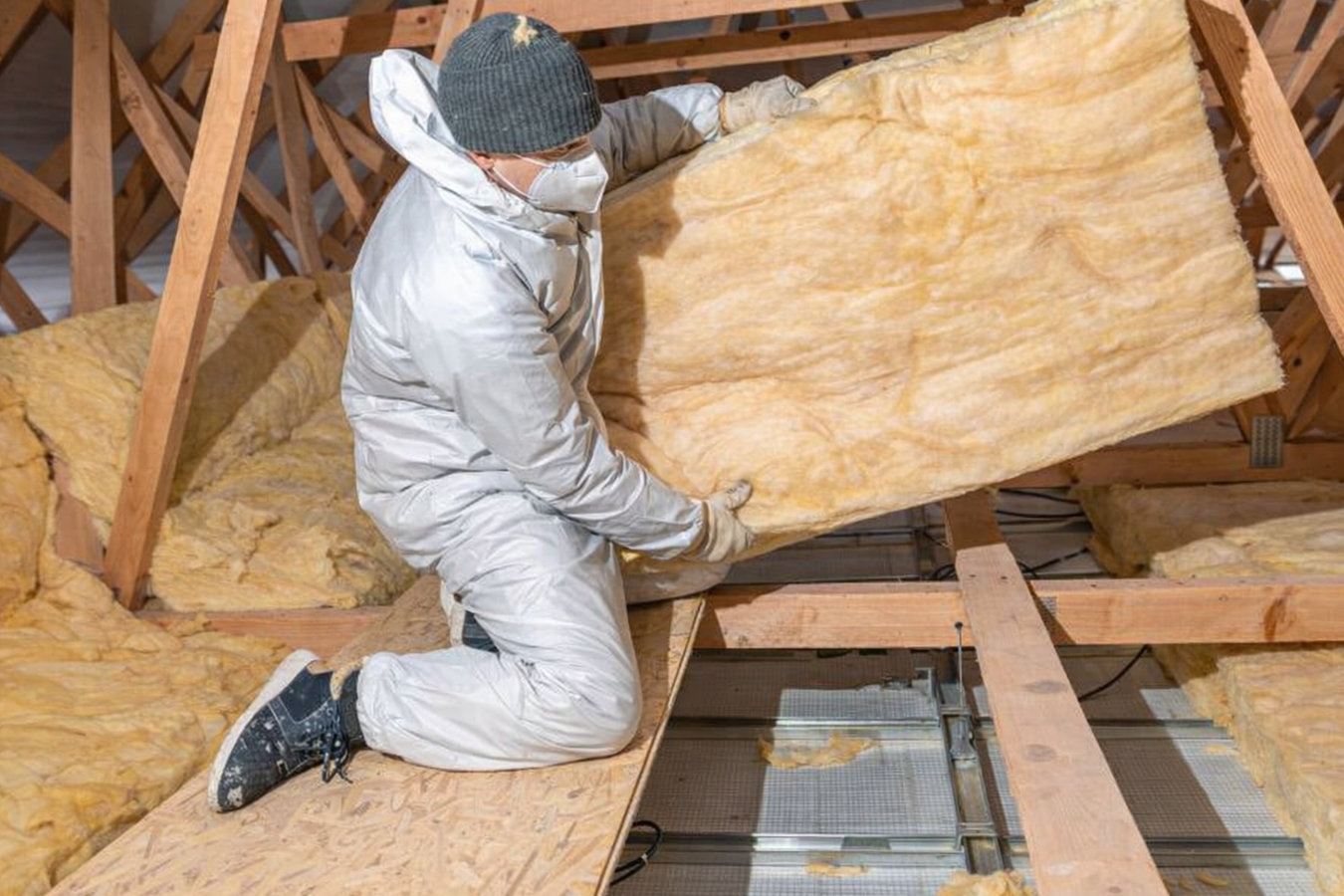
Old, damaged, or pest-contaminated insulation makes your home harder to cool and harder to live in. We remove it completely and leave your attic clean and ready.
Old, damaged, or pest-contaminated insulation makes your home harder to cool and harder to live in. We remove it completely and leave your attic clean and ready.
Insulation removal in Makakilo means taking out old, damaged, or contaminated material from your attic or crawl space using industrial vacuum equipment and hand tools - most residential jobs are completed in a single day and leave the space clean and ready for new insulation.
Many Makakilo homeowners try layering new material over old insulation, but that approach rarely works. If the existing insulation has been compressed, soaked by moisture, or used as nesting material by pests, it needs to come out before anything new goes in. Covering damaged insulation just hides the problem.
Once the removal is done, you will know exactly what is happening in your attic - and your new insulation will perform the way it is supposed to. Many homeowners pair removal with our crawl space insulation service for a complete fresh start, or follow removal with retrofit insulation to bring the whole house up to current standards.
If your electricity bill has been creeping up but your habits have not changed, degraded attic insulation is one of the first things worth checking. In Makakilo, where homes sit at elevation and experience real temperature swings between day and night, a poorly performing attic forces your air conditioning to work harder than it should. This is one of the most common reasons homeowners here discover their insulation is well past its useful life.
If you have heard scratching in the ceiling, found droppings near the attic hatch, or had a pest control company confirm rodent activity, your insulation has likely been used as nesting material. Roof rats are a documented problem across Oahu, and once insulation has been contaminated, it cannot be treated and left in place - it needs to come out. A musty smell from vents or the attic hatch is another sign of this problem.
When insulation breaks down or shifts over the years, some parts of your attic end up with much less coverage than others. This shows up as rooms that never quite cool down or a noticeable stuffiness near the ceiling even when the air conditioning is running. In Makakilo homes built in the 1970s and 1980s, this kind of uneven performance often traces back to insulation that has settled, compressed, or been disturbed over decades.
If you have looked into your attic and noticed insulation that looks dark, matted, wet, or scattered rather than evenly spread, something has gone wrong. Water stains on the insulation or surrounding wood suggest moisture has gotten in at some point. Any signs of pest nesting - shredded material, droppings, or tunnels through the insulation - mean removal is the right next step, not just a patch.
We handle insulation removal for attics, crawl spaces, and wall cavities in single-family homes across the Makakilo area. Every job starts with a clear on-site assessment so you know exactly what is there before any work begins - including whether any material requires special handling. If you are planning to follow removal with crawl space insulation, we coordinate the two jobs so nothing falls through the cracks.
For homes that have been dealing with pest activity, we use proper containment and dispose of contaminated material at approved facilities - we do not leave bags of removed insulation for you to deal with. After removal, many homeowners move forward with retrofit insulation to bring the whole house up to current performance standards. The U.S. Department of Energy's guidance on home insulation explains why starting fresh with properly installed new material matters for long-term efficiency.
Best for homes with compressed, moisture-damaged, or pest-contaminated blown-in or batt insulation in the attic.
Ideal for homes where floor joist insulation has sagged, deteriorated, or been compromised by ground moisture.
For homes with confirmed rodent or insect activity where safe handling and proper disposal are required.
For homeowners doing a major renovation or whole-house re-insulation who need a complete clean slate.
Makakilo was built out primarily in the 1970s through the 1980s, which means a large portion of the housing stock is now 40 to 50 years old. Original insulation from that era has had decades to compress, absorb moisture from Hawaii's persistent humidity, and in many cases serve as nesting material for roof rats - a well-documented pest problem across Oahu. Homes at Makakilo's elevation also experience more temperature variation than coastal neighborhoods, which puts more strain on insulation that is already past its useful life. The CDC's guidance on rodent-contaminated material makes clear that pest-contaminated insulation must be removed, not treated in place.
Homeowners across the west side - from the hillside streets of Kapolei to the neighborhoods of Ewa Beach - are dealing with aging housing stock that needs attention. Older homes add another layer of importance: any materials that need special handling should be assessed before removal begins. Hiring an experienced local contractor who knows these older homes protects you and keeps the work on track.
When you reach out, we will ask a few basic questions - your home's size, when it was built, and whether you have had pest or moisture issues. We respond within 1 business day and can typically schedule an on-site visit within a few days.
During the estimate visit, we access your attic to see what is there - how much insulation, what condition it is in, and whether anything requires special handling. We walk you through what we find before quoting a price. No surprises.
The crew seals off the attic entry and runs industrial vacuum equipment to pull out the old material. All removed insulation is bagged on-site as the work progresses. If we find anything unexpected, we stop and talk to you before continuing.
Once the job is done, the crew removes all bagged material from your property for disposal at an approved facility. Walk through the attic with us before we leave - you should see clean, bare surfaces with no significant debris remaining.
Free estimate, no obligation. We respond within 1 business day.
(808) 481-0860Most of Makakilo's homes were built between the 1970s and 1980s, and we have worked in that era's construction extensively. We know what to look for in homes of that age and we flag anything unusual before starting work.
We document every removal job and hand you a written record of what was taken out and how it was disposed of. That documentation matters for removal work - especially in homes where older materials need careful handling.
All removed material is bagged on-site and hauled to an approved disposal facility - we never leave bags for you to deal with. The{' '}<a href='https://health.hawaii.gov/shwb/' target='_blank' rel='noopener noreferrer' class='text-primary underline'>Hawaii Department of Health</a>{' '}regulates waste disposal and we follow those rules on every job.
We give you a clear, itemized estimate based on what we actually find. If the job is straightforward, we will tell you. If it involves additional steps - like pest contamination or moisture damage - we explain exactly why before you decide anything.
When you combine local experience, documented work, and a commitment to full disposal, you get a removal job that is actually finished when we drive away - not one that leaves you with questions or loose ends.
After removal, seal and insulate the crawl space beneath your home to stop heat and moisture from rising through your floors.
Learn MoreBring your home's insulation up to current performance standards without a full renovation - ideal once old material has been cleared out.
Learn MoreOld insulation only gets worse with time - schedule your free estimate today and let us take care of the rest.