
Loading...
Serving Makakilo, HI and surrounding areas. (808) 481-0860
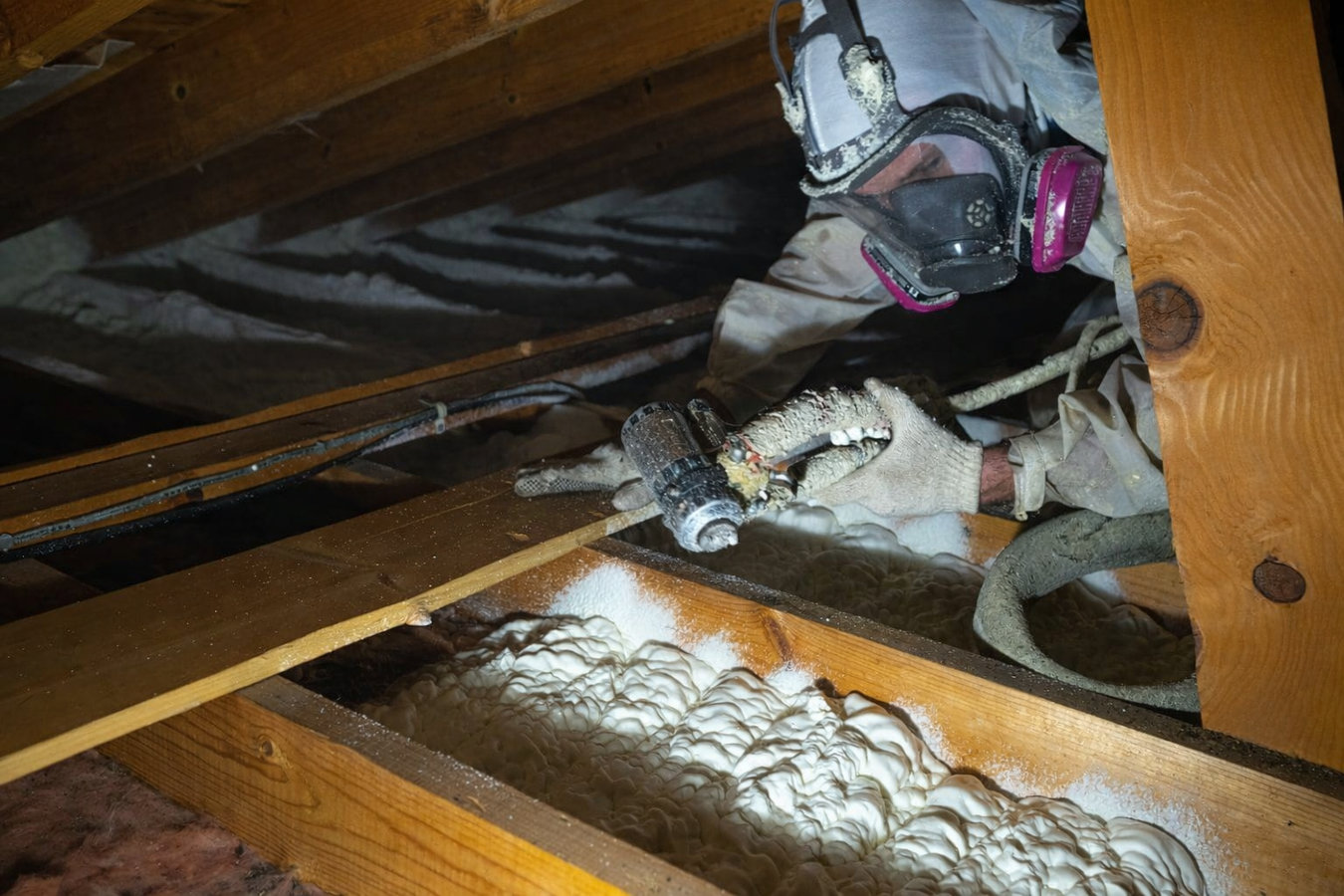
In Makakilo, every gap in your attic floor is a slow drain on your AC and your electric bill. Attic air sealing closes those gaps at the source - so your home holds cool air without your system working overtime.
Attic air sealing means finding every gap, crack, and opening in your attic floor - around light fixtures, plumbing pipes, wall tops, and anywhere wires pass through - and plugging them so air cannot flow freely between your living space and the attic above. Think of it as weatherstripping every hidden crack in your ceiling. Once those gaps are closed, your home holds conditioned air far more effectively, and your AC does not have to fight the constant pressure of hot attic air seeping in.
In Makakilo, where air conditioning runs most of the year, the energy lost through attic gaps shows up on your Hawaiian Electric bill every single month - not just in summer. The U.S. Department of Energy notes that air leaks can account for 25 to 40 percent of the energy used for heating and cooling in a typical home. In a climate where cooling never stops, that is a significant ongoing expense with a direct fix.
Sealing and insulating work best together. If your attic insulation is already thin or degraded, air sealing is the first step - then adding retrofit insulation on top creates a complete thermal barrier that keeps your home comfortable without your AC compensating for the difference.
If your Hawaiian Electric bill has been creeping up year over year and you have not added new appliances or changed how often you run the AC, air leakage is one of the most common culprits. In Makakilo's warm climate, your air conditioning is fighting a constant heat load - and if attic air is seeping into your living space, the system runs longer and harder to compensate.
If one bedroom or the hallway near the attic hatch always feels warmer than the rest of your home even with the AC running, hot air from the attic is likely finding its way in through gaps above that space. This is especially common in Makakilo homes built in the 1970s and 1980s, where ceiling penetrations around light fixtures and plumbing were rarely sealed.
Stand on a chair and hold your hand near a recessed light fixture or ceiling fan mount. If you feel any air movement - even a faint one - that is a direct path between your living space and the attic. These fixtures are among the most common air leakage points in older homes, and each one is essentially a small hole in your ceiling.
It is normal for an attic to be warmer than the living space below, but if opening the attic hatch releases intense heat that pours downward, that heat is already reaching your living space through gaps you cannot see. In Makakilo, where afternoon sun on the western-facing slopes can push roof temperatures very high, a poorly sealed attic floor acts like a slow-release oven above your ceiling.
Much of Makakilo was developed in the 1960s through 1980s, and homes from that era were built before modern energy codes required attention to air sealing. Older construction techniques left gaps around every pipe, wire, and light fixture that passed through the ceiling - and those gaps have often grown larger as materials shift and settle over decades.
We begin with a diagnostic walk of your attic, identifying every penetration - recessed lights, plumbing stacks, wiring runs, wall top plates, the attic hatch itself. In older Makakilo homes, it is common to find dozens of gaps that have never been addressed since original construction. We seal each one using foam or caulk rated for attic use, working methodically from one end to the other so nothing gets missed.
A thorough job means the contractor seals every penetration, not just the obvious ones. Where insulation was installed over gaps and needs to be temporarily moved, we do that - then put it back correctly when sealing is complete. The work is entirely in the attic. Your living space is not disturbed, and there is no strong odor or mess in the home. For homeowners who also want to improve overall air sealing services throughout the home beyond the attic, we can assess the full envelope and recommend the right scope.
Every pipe, wire, light fixture, and wall top plate penetration in the attic floor sealed with foam or caulk - the gaps that account for most of your heat gain.
The attic access panel is one of the most overlooked air leakage points in older homes. We seal the perimeter and often add weatherstripping so the hatch stops acting as an open vent.
Older recessed fixtures are a common source of significant air flow between your living space and the attic. We seal around and above each fixture so it no longer acts as a pathway for hot air.
When existing attic insulation is thin, damaged, or inadequate, we seal all gaps first and then add the insulation layer on top so both work together correctly from day one.
Makakilo sits on the western slopes of the Waianae Range at elevations between roughly 800 and 1,000 feet. It is warmer and drier than windward Oahu, and on calm days when trade wind relief is limited, attic temperatures can spike sharply as the roof absorbs afternoon sun. A poorly sealed attic floor in those conditions acts as a direct heat path into your living space - and your AC carries the cost of every gap that was never closed.
Much of Makakilo was developed as a planned community between the 1960s and 1990s, and those homes were built before modern energy codes paid attention to air sealing. The gaps around every pipe, wire, and fixture that passed through the original ceiling are still there in most of these homes - they have just been hidden under insulation for decades. Hawaiian Electric customers may also be eligible for rebates on qualifying air sealing work through the Hawaii Energy rebates program - worth asking about before you schedule the work.
We ask about your home's age, whether you have noticed comfort or energy bill issues, and whether you know what kind of insulation is currently in the attic. This helps us arrive prepared. You do not need to have all the answers - just describe what you have observed.
A technician visits your home, inspects the attic for visible gaps, and assesses how much work is involved. Many experienced contractors also perform a blower door test at this stage - a temporary fan in your front door that measures how leaky your home is overall - giving you a baseline number to compare against after the work.
After the assessment you receive a clear estimate that breaks out sealing versus any insulation work, and explains whether a permit is needed. This is also the right time to ask about Hawaii Energy rebates - a knowledgeable contractor will know which portions may qualify and help you capture that savings.
The crew accesses your attic through the hatch, moves or pulls back insulation where needed, and seals every gap with foam or caulk. Your living space is not disturbed. Most jobs are completed in one day. Larger or more complex attics may require a second visit.
Once sealing is complete, a good contractor runs a second blower door test to confirm air leakage was meaningfully reduced. You see the before-and-after numbers. Insulation is replaced or upgraded at this stage if it was removed during the process.
We assess your attic, identify where air is leaking, and give you a written quote you can compare. No obligation to move forward.
(808) 481-0860Every job starts with a free written estimate that spells out the scope and the price. You know exactly what the work includes and what it costs before you sign anything. A contractor who puts the scope in writing gives you a clear reference if any question comes up later.
A contractor who tests your home before and after the job gives you a real number - not a promise - showing exactly how much the air leakage was reduced. You walk away with proof, not just a receipt. If a contractor skips the diagnostic step and just sprays foam in a few visible spots, you have no way to know whether the job made a real difference.
The majority of homes we work on in Makakilo were built in the 1960s through 1990s when air sealing was not part of standard practice. We know the common penetration patterns in those homes - where gaps are most likely to be and how they have changed over decades - so we do not miss the ones that matter most.
Many Makakilo homeowners leave rebate money on the table simply because they did not ask. We know the Hawaii Energy program and can help you identify which portions of your project qualify, gather the documentation correctly, and avoid the paperwork headaches that send most people straight past the rebate form.
Attic work is invisible after the job is done - which is exactly why we make the walkthrough and verification a standard part of every project. You should be able to see what changed, not just feel it on next month's bill.
Seal the gaps first, then add the insulation layer on top - retrofit insulation for Makakilo homes that have never had proper attic coverage.
Learn MoreFull-home air sealing that goes beyond the attic - addressing the entire building envelope so your Makakilo home holds conditioned air more effectively.
Learn MoreEvery gap in your attic floor costs you money every month in Makakilo's climate. Contact us for a free on-site estimate and a same-week inspection.