Loading...
Serving Makakilo, HI and surrounding areas. (808) 481-0860
Most Makakilo homes were built when insulation was an afterthought. Retrofit insulation adds what was missing - to attics, walls, and floors - so your AC stops fighting the heat load your home was never designed to handle.
Retrofit insulation means adding insulation to a home that is already built - without tearing out walls or doing a major renovation. Contractors work with what is already there, filling gaps in attics, walls, and floors using methods that cause minimal disruption to your daily life. The most common approach is blowing loose-fill material into attic spaces or wall cavities through small holes, though in open attic spaces with accessible floor space, batt insulation can also be laid in by hand.
In Makakilo, many homes were built before the 1990s when Hawaii's building code had limited insulation requirements - and the prevailing assumption at the time was that the islands' mild reputation made insulation unnecessary. That thinking does not hold up against Hawaii's electricity rates, which are consistently among the highest in the country. A properly insulated home here pays back the upgrade faster than almost anywhere on the mainland because every dollar your AC saves matters more per kilowatt-hour.
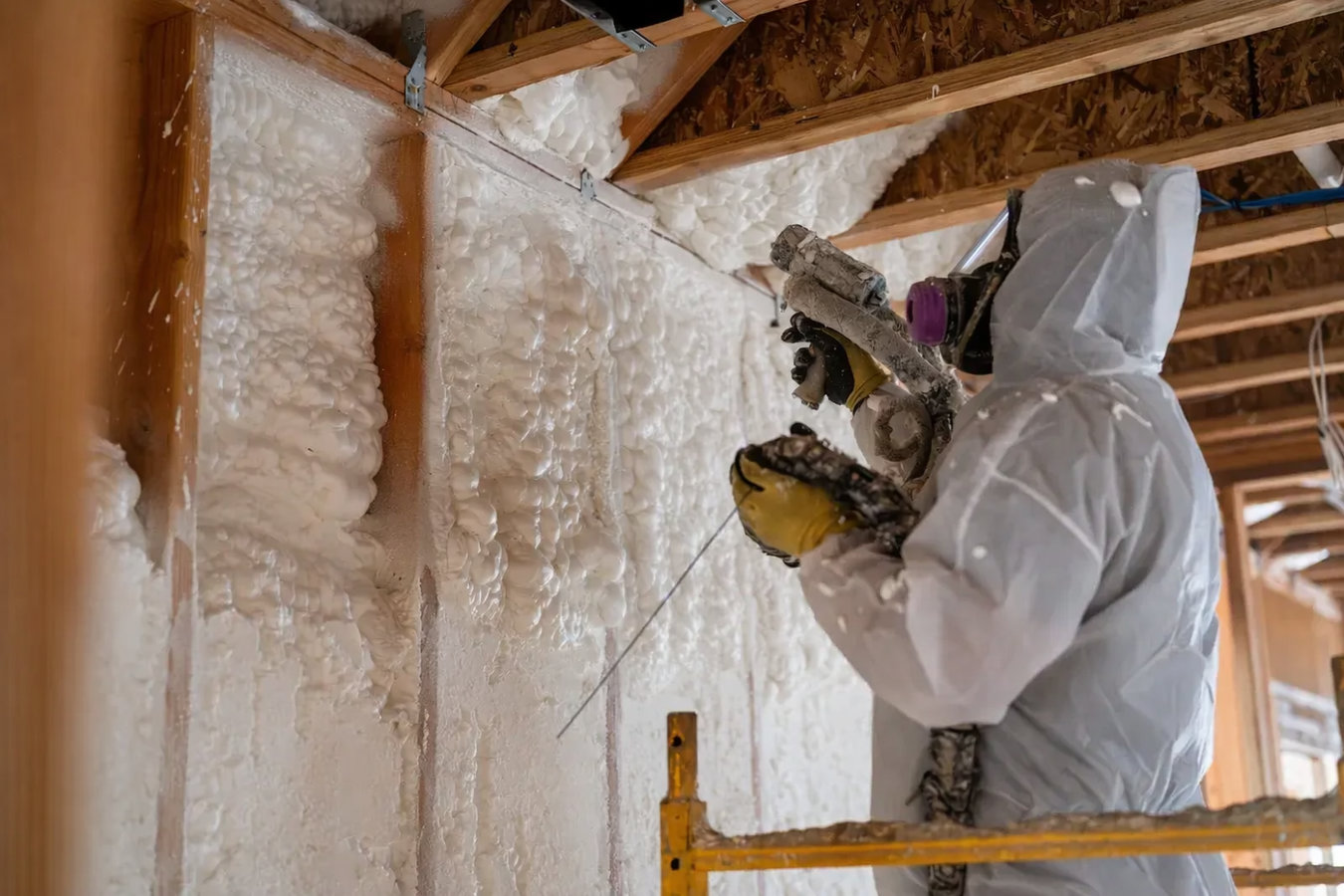
For the best outcome, sealing always comes before insulating. If there are gaps around your fixtures, pipes, and wall top plates, adding insulation on top of those gaps leaves the primary problem unsolved. The right sequence is to pair retrofit insulation with spray foam insulation for targeted gap filling, or to handle air sealing first so the insulation layer performs to its full potential.
In Makakilo, afternoon sun hits rooftops hard and heat builds up in the attic before radiating down into your living areas. If your upstairs bedrooms or rooms directly below the roof feel significantly warmer than the rest of your home - even with the AC running - that is a strong sign your attic insulation is not doing its job.
Hawaii's electricity rates are already high, so any unexplained increase in your monthly bill is worth investigating. If your air conditioning seems to run longer than it used to, or your bill spikes during warmer months without a clear reason, poor insulation is one of the most common culprits. What you are paying per kilowatt-hour makes every improvement here count more than on the mainland.
Much of Makakilo's housing was developed in the 1970s through 1990s, when insulation standards were far lower than today. If you have never had a contractor look at what is in your attic, there is a real chance it is too thin, has settled over the years, or has gaps that are letting conditioned air escape. The age of the home alone is a reasonable reason to have it assessed.
Stand under your attic access panel and hold your hand near the edges - if you feel air moving, that is a sign the attic is not properly sealed. Recessed light fixtures in ceilings below the attic are also common air leak points in older Hawaii homes and are easy to check yourself. Air sealing should happen before new insulation goes in.
Rats and other pests are a known issue in many Oahu neighborhoods including Makakilo. If you have had rodents in your attic, there is a good chance they have damaged or compressed the insulation. Pest droppings can also create health concerns that make replacement a smart move regardless of the insulation's age - this is not a situation where adding material on top is the right answer.
Every retrofit job starts with a walkthrough of your attic. A good contractor will not quote you a price over the phone - they need to see what is currently installed, identify where gaps and air leakage exist, and check for moisture damage or pest activity before recommending an approach. After the assessment, we walk you through what we found and what we recommend before any work begins.
For most Makakilo homes, the attic is the single biggest opportunity - heat builds up under the roof and radiates down into your living areas until something stops it. Walls and floors over open spaces like garages and crawl spaces are also common targets depending on how your home is built. For homes that also need moisture management from the ground up, we often combine retrofit insulation with home insulation services to create a complete approach across all surfaces.
Loose-fill material pumped in through a hose - ideal for covering existing insulation evenly, filling irregular spaces, and reaching areas that are hard to access in older Makakilo attics.
Hand-laid batt insulation for open attic spaces with accessible floor space and standard framing. Often the right choice when existing material is being fully removed and replaced.
Blown-in insulation added to wall cavities through small holes that are patched afterward - minimal disruption, significant improvement in homes with hollow or under-filled walls.
When old insulation is contaminated, compressed, or has been damaged by pests, removal and full replacement is the right approach rather than adding on top of compromised material.
Makakilo sits on the slopes of the Waianae Range at elevations between roughly 600 and 1,200 feet, which means it catches strong trade winds and experiences noticeably cooler nights than coastal Oahu communities. That temperature swing between day and night means your home works harder to stay comfortable - and good attic insulation helps buffer those swings so your air conditioning does not have to compensate as hard during the day.
Makakilo's position on the leeward side of the island also means it deals with periodic vog - volcanic haze that drifts from the Big Island - along with warm, dry conditions that over time can degrade older fiberglass batts and reduce their effectiveness. If insulation was installed years ago and has never been assessed, it may not be performing at the level it was when it was new.
Hawaii Energy rebates for qualifying insulation upgrades are available to Hawaiian Electric customers and can meaningfully reduce your out-of-pocket cost. Buyers in Hawaii are also increasingly aware of energy costs, and documented insulation work is a genuine selling point in a market where monthly utility bills are a real concern. We serve homeowners throughout the west Oahu area - check the Hawaii Energy insulation rebates page for current program details before scheduling.
We ask about your home's age, whether you have had insulation work done before, and what is prompting you to call. We schedule a time to come out and look at your attic in person - no honest contractor can give you an accurate price without seeing what is already there.
The contractor goes into your attic, checks what is currently installed, looks for air gaps around pipes and fixtures, and assesses whether moisture damage or pest activity needs to be addressed first. We walk you through what we found and explain the recommendation in plain terms before quoting you a price.
After the assessment you receive a clear written estimate with materials and labor broken out. A trustworthy contractor explains what is already there, what needs to happen first, and what the finished result will look like - not just a number. This is also the time to ask about Hawaii Energy rebates.
Most retrofit attic insulation jobs complete in a single day. The crew works from inside the attic or through small access points. Your living spaces stay largely undisturbed and you can be home during the work. Larger homes or jobs that include walls and floors may extend to a second day.
When the work is done, we show you the finished result - you should see even coverage with no thin spots or gaps. We confirm that air sealing was completed around any gaps. If you are applying for a Hawaii Energy rebate, we provide the documentation you need before we leave.
We assess your attic, explain what we find, and give you a written quote you can compare. No obligation to move forward.
(808) 481-0860Every job starts with a free written estimate that spells out the scope and the price. You know exactly what the work includes and what it costs before signing anything. A contractor who puts the scope in writing gives you a clear reference if any question comes up later.
A trustworthy insulation contractor does a walkthrough before quoting - not just a price over the phone. We check what is already there, what needs to happen first, and what the finished result will look like. If you get a quote without a site visit, you should ask why.
Most of the homes we work on in Makakilo were built in the 1970s through 1990s with minimal insulation. We understand the specific construction patterns of that era, how Hawaii's climate affects older insulation materials over time, and how to apply the right approach without mainland assumptions.
We provide clear documentation of the work completed - useful for Hawaii Energy rebate applications and valuable as a record if you plan to sell the home. Buyers in Hawaii are increasingly aware of energy costs, and a documented insulation upgrade is a genuine selling point, not just a comfort improvement.
Even an older Makakilo home can perform like a much newer one after a thorough retrofit job. You do not need to replace windows, upgrade your AC, or do a full renovation to feel a real improvement. Insulating the attic correctly is one of the highest-return upgrades available to an older home in Hawaii's climate.
Spray foam for targeted gap filling and hard-to-reach areas in older Makakilo attics - often the right complement to blown-in retrofit coverage.
Learn MoreWhole-home insulation assessment and upgrade for Makakilo homeowners who want to address the attic, walls, and floors together in one coordinated project.
Learn MoreOlder homes in Makakilo leave real money on the table every month. Contact us for a free on-site estimate and find out exactly what your attic needs.